
Life is too short to stay unhappy in your relationship. The good news? Things can change.
You work hard at everything you do, and you’re used to finding solutions when something isn’t working. But the strategies that have helped you overcome and succeed in your career don’t work the same way when applied to your relationship. It’s frustrating, but more than that, it’s scary to imagine your life without your partner if things don’t improve.
Sometimes, a relationship falls apart in one dramatic moment. But for most couples, it’s more of a slow drift that goes unnoticed until the distance feels normal. And by the time you’re paying attention, it can seem like you’re miles apart.
That space between you is often filled with conflict, but both of you have reached a point where you’re either too tired to argue, or you explode straight away before any real communication can happen. You’ve had this fight so many times that you both know exactly how it ends—with one of you shutting down, giving up, or retreating to the spare room.

You’re at the point where…
- Your partner had an affair, and now you’re trying to decide whether what you had was real and whether it can be rebuilt, or if you even want that.
- The spark disappeared somewhere between the careers, the kids, and the years of putting everything else first. Intimacy, physical or emotional, is something you experience out of obligation if you experience it at all.
- One of you is coping in harmful ways. They’re checked out at dinner, doom scrolling in bed, buried in work, or just not quite themselves anymore. Both of you feel it, but neither of you knows how to start the conversation.
- You want to start a new chapter, like a marriage, a new baby, or a big move, on solid ground so you’re set up for success instead of waiting for a breaking point to hit.
- You can’t seem to agree on the things that matter, like how to raise your kids or how to spend your money. The difference between what you each want feels less like a difference of opinion and more like a fundamental incompatibility.
- You’re together, but you feel 100 miles away. You didn’t realize you could be so lonely while sitting a few inches from the person you love most.
MY APPROACH TO COUPLES THERAPY
Strong relationships don’t happen by accident—they require intention to flourish.
This is where we turn intention into action.
With over 15 years as a licensed psychologist, I understand the patterns that keep couples stuck and, more importantly, the proven strategies that can help you break free from them.
Our work together is structured and solution-focused, which means you’ll leave every session with something concrete to work with. We’ll build communication skills you can use in the moment, before a conversation escalates to the point of conflict.
At the same time, we’ll look at where your animosity is coming from, because you’re not really fighting about the kids or the money or whose turn it was to do the dishes. Until we address the root cause, the same issues will keep coming up.
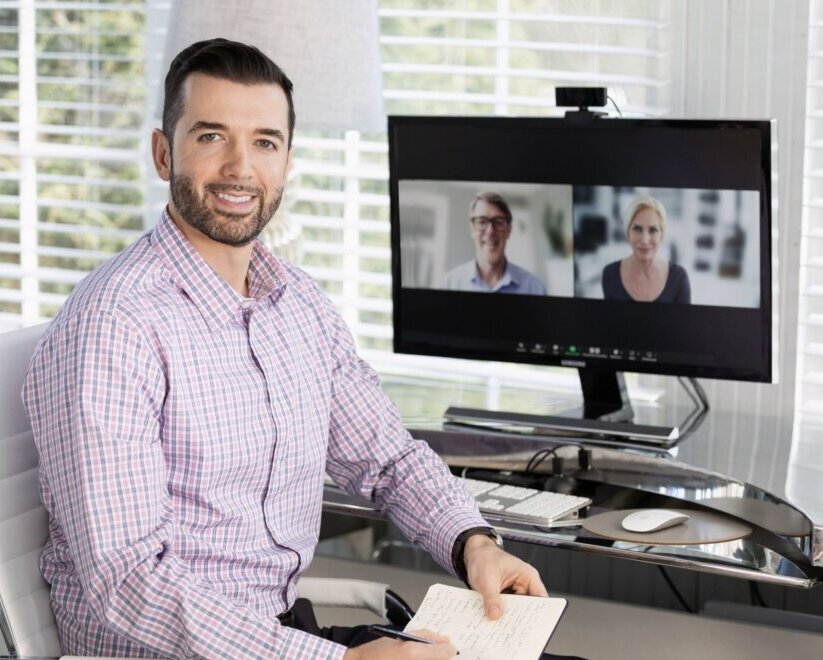
The couples who come to me aren’t just looking to butt heads less often. They want to rekindle the closeness they once felt. By doing the practical work—and getting you working as a team again—we’ll be able to rebuild the intimacy and connection that brought you together in the first place.
The goal isn’t a conflict-free relationship. It’s one where you know how to navigate the hard moments without losing sight of each other. I’ve seen firsthand how beneficial early intervention can be, so you don’t need to be at a breaking point to start the conversation.
Methods I use in couples therapy.
Cognitive Behavioral Therapy (CBT)
Applies practical skills for communicating better, managing your reactions in the moment, and solving problems without the conversation going sideways.
Emotionally Focused Therapy (EFT)
Gets underneath the conflict to what’s driving it, like unmet needs and emotional patterns that keep pulling you apart.
Psychodynamic Therapy (PDT)
Looks at how your individual histories, the relationships and experiences that shaped you before this one, may be influencing the way you relate with each other today.
Starting therapy together can feel huge, so I’ve simplified the logistics.
Here’s how it works…
+ Complimentary Consultation
We’ll start with a 15-minute conversation to get to know each other, answer your questions, and make sure we’re a good fit. If I’m not the right therapist for you, I can help direct you to other options.
+ First Session (Together)
You and your partner will meet with me together to outline your goals and begin exploring the dynamics in your relationship. This is a no-pressure session where we’ll take the time to get to know each other.
+ Individual Sessions
I’ll meet with each of you separately to better understand your personal history, perspectives, and what each of you needs from this process. I do this to ensure I can provide the most well-rounded treatment possible, addressing the needs and goals of the individuals in the relationship and the couple as a whole.
+ Ongoing Joint Sessions
Our ongoing sessions will be specific to your needs as a couple and will utilize the methods that work best for you. My concierge approach means that I work around your schedule, not the other way around. I’m here for you. When you text me, I answer personally—no receptionists, no middleman, no waiting rooms.
There can be a version of your relationship where you…
- Experience the trust and closeness you once had with each other, before all the things you need to juggle in life (kids, work, finances) got in the way.
- Understand why your partner does the thing that drives you crazy, where it comes from, and how to respond from a place of love and respect.
- Recognize what’s working between you and build on it, rather than spending all of your energy focusing on what’s wrong.
- Stop avoiding the conversations about money, parenting, and the future because you already know they’ll lead to conflict. Start having those conversations in a productive way.
- Are aligned on the things that matter most so you have the skills and shared intentions you need to weather whatever life puts in front of you.
- Feel like you’re on the same team, making decisions together and building something, rather than coexisting as business associates managing a household.

Frequently Asked Questions
- Couples counseling can help with…
- Communication and conflict resolution
- Rebuilding trust after infidelity
- Emotional and physical intimacy
- Premarital counseling
- Parenting disagreements
- Addiction and mental health challenges affecting the relationship
- Preventing divorce
- Relationship satisfaction and reconnection
I offer in-person couples therapy in Jupiter, Florida. Many clients visit from Palm Beach Gardens, Tequesta, Juno Beach, and North Palm Beach. I also provide online couples therapy across Connecticut, including Norwalk, Fairfield, Westport, Darien, Wilton, Southport, and New Canaan.
Yes. All couples are welcome. The process is tailored to your relationship and values.
I’ve been at this for a long time and have worked with couples in challenging situations who struggled to find success previously. I integrate multiple methods in my approach—CBT for relationship-centered skill building, EFT to address emotion and attachment, and psychodynamic methods to uncover patterns shaped by the past. We set clear goals, track progress, and use short practices between sessions so changes stick.
Personally, I’ve sustained a healthy and loving relationship for more than 10 years, so I can draw on my own experiences in sessions as well.
There can be. We use a structured process to stabilize emotions, make clear agreements, and rebuild trust step by step. If you decide not to continue as a couple, therapy still helps each of you find clarity and closure.
Therapy can be far more affordable than the emotional and financial cost of unresolved issues or divorce. It’s a proactive way to nurture your well-being and relationships. Working with a trained couples therapist can help you work as a team to overcome challenges, gain perspective, and feel happier in your relationship. In the end, if you decide to end your relationship, you may feel better knowing that you made an earnest effort to save it.
Yes! Research shows that online couples therapy is just as effective as in-person sessions. Plus, it saves time and offers more flexibility for busy couples who have demanding jobs and busy schedules. I offer couples therapy in-person at my Jupiter, Florida office, and online in 42 states.
There’s no universal timeline because the outcome depends on what each couple brings to session. Some couples may attend therapy for five or six sessions. Others will come regularly for a year or longer and reduce the frequency of sessions over time. It all depends on what you need. We’ll set those expectations together at the start so you always know where you are and what you’re working toward.
It’s more common than you might think, and it doesn’t mean you’re out of options. Sometimes the most useful first step is coming in individually to get clear on what you want, how you want to approach the conversation with your partner, and what you’re willing to do differently.
Occasionally, one partner’s willingness to start the process is what creates the opening for the other to follow. If your partner remains unwilling, individual therapy can still help you navigate the relationship more effectively and make better decisions about your future.
Absolutely. Some of the most productive work I do is with couples who are doing well and want to stay that way. Therapy isn’t only for relationships in trouble. It’s for couples who want to communicate better, get aligned on the future, work through a specific sticking point, or build the kind of foundation that holds up when life gets hard. Coming in from a position of strength is an advantage, not a reason to wait.
No, and waiting for a crisis is one of the most common reasons couples end up with harder and longer roads to recovery. The couples who come in before things spiral tend to make faster progress and leave with a stronger foundation than they came in with. If something feels off, that’s reason enough to start.
I work with couples at every stage of their relationship, whether you’re dating seriously, engaged, newly committed, or decades into a long-term partnership. What matters is that you’re in a relationship you want to invest in, not a legal status.
I hold a doctorate in clinical psychology from Nova Southeastern University and have over 15 years of experience working with couples across a wide range of challenges, from communication breakdown and infidelity to the slow erosion that happens when two busy people stop prioritizing each other.
I also bring my own experience as a husband, parent, and someone who has invested seriously in understanding what makes relationships work.
I keep my caseload intentionally small so that every client gets my full attention and I can cater to their scheduling needs. When you reach out, you hear from me directly, not a receptionist or a patient portal.
I show up to every session on time and prepared, and barring a genuine emergency, I don’t cancel. I built my practice around clients whose time is genuinely limited, and I work around your schedule rather than the other way around. Your time is valuable, and I treat it that way.
Sessions are 45 minutes, with flexible daytime and evening availability. I offer in-person sessions in Jupiter, FL, and Westport, CT, and online therapy across 43 states, so you can choose the format that fits your life right now.
I pull from Cognitive Behavioral Therapy (CBT), Emotionally Focused Therapy (EFT), and psychodynamic approaches depending on what’s most useful for you. Most couples need all three at different points, and I’ll adjust the approach as we go.
Recent Posts

How to Cope When an Affair is Uncovered in Your Relationship
What to Do When an Affair is Uncovered in Your Relationship Discovering an affair in your relationship can feel like a devastating blow, stirring up feelings of pain, betrayal, and confusion. The emotions following an affair can feel traumatic, causing the betrayed partner

10 Essential Tips for Professionals Transitioning to Parenthood
From Crushing Goals to Cradling a Newborn: 10 Essential Tips for Professionals Transitioning to Parenthood Ten months into becoming a father, I reflect on what a growth-producing journey it has been. Becoming a parent is one of life’s most significant transitions -

Rebuilding Trust: Tips for Recovering from Infidelity Trauma
If you just found out your partner has been unfaithful, you might be feeling like your relationship has imploded. Rebuilding trust after such a breach can feel like an impossible ask. However, with commitment from both parties, open communication, and a plan to heal the relationship, infidelity doesn’t have to mean the end.

3 Tips to Being a Better Partner in Your Relationship
How to Be a Better Partner: Start With You Life’s too short to be unhappy in your relationship. While I wholeheartedly believe this, meaningful change often starts from within. Striving to be the best version of yourself – working on your personal
Couples Therapy in
Westport, CT
205 Main St, Westport, CT 06880
Couples Therapy in
Jupiter, FL
641 University Blvd STE 206, Jupiter, FL 33458